Real Taste of Vietnam Review: Best 13-Day Food Culture Tour
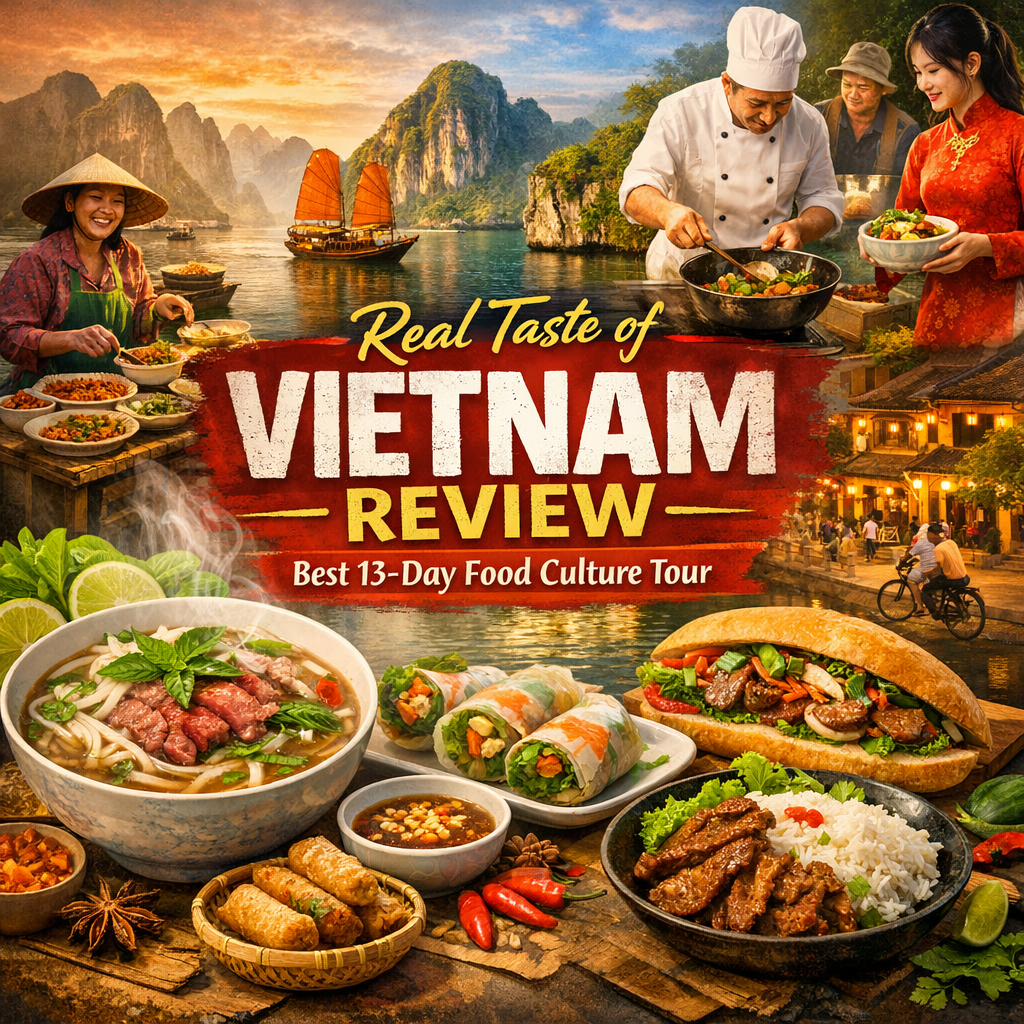
Real Taste of Vietnam Review: Best 13-Day Food Culture Tour
Real Taste of Vietnam is the kind of journey that goes far beyond restaurant checklists and postcard sightseeing. Over 13 days, this food and culture tour introduces travelers to the heart of Vietnam through its regional dishes, local markets, street food traditions, family-run kitchens, and everyday rituals around eating. If you want a trip that helps you understand the country through flavor, conversation, and shared experiences, this itinerary stands out as one of the most rewarding ways to do it.
What Makes This 13-Day Tour Stand Out
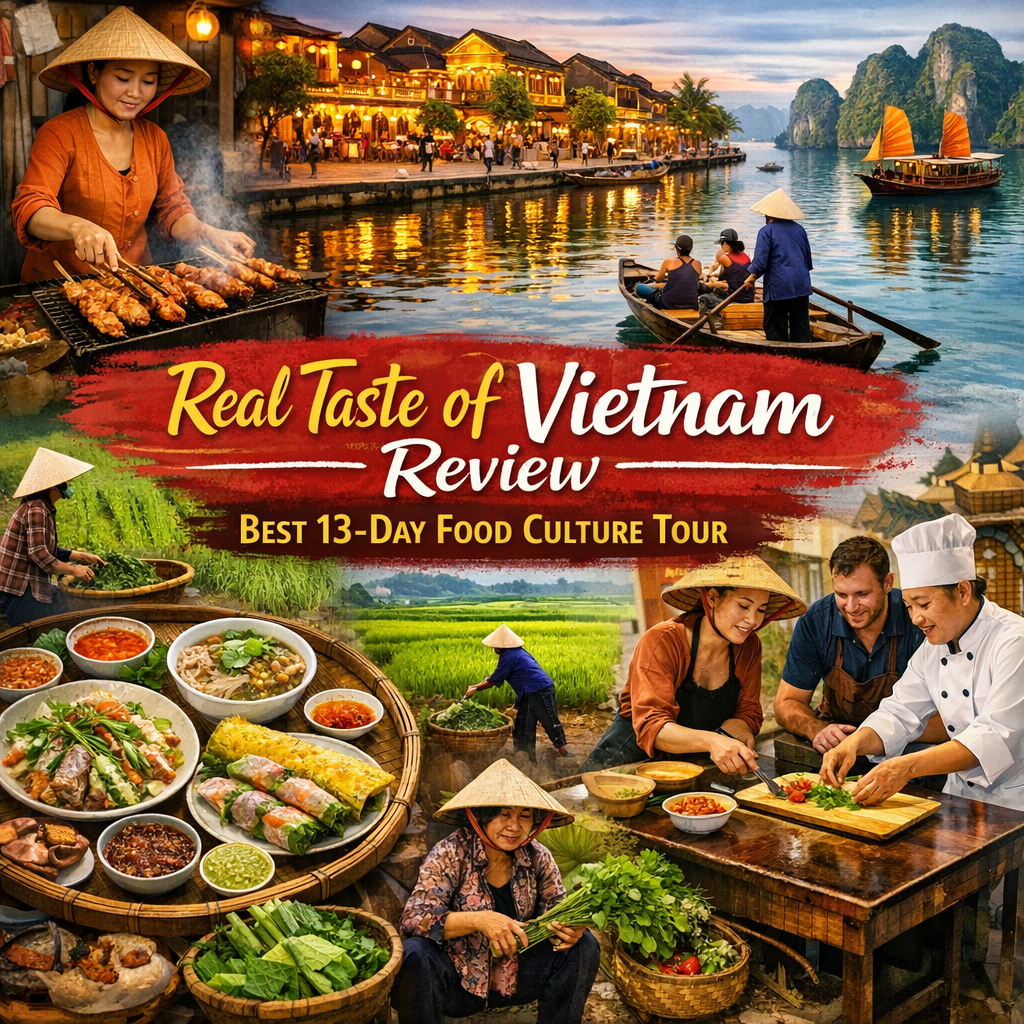
Many Vietnam tours cover the major cities, but not all of them connect food, history, and local life in a meaningful way. This one does. Rather than treating meals as short stops between attractions, the itinerary makes food the lens through which the country is explored.
That means you are not just trying famous dishes for the sake of a photo. You are learning why northern broth tastes different from southern broth, how French colonial influence still appears in local baking, why market culture matters in daily life, and how geography shapes each region’s cooking style.
The result is a trip that feels immersive rather than rushed.
Real Taste of Vietnam Highlights
A true north-to-south culinary journey
One of the strongest parts of the experience is the regional contrast. Vietnam’s cuisine is often grouped together by outsiders, but this tour makes it clear that the food changes dramatically from place to place.
In the north, expect more subtle seasoning, deeply comforting noodle soups, and traditional dishes served with balance and restraint. Hanoi, in particular, is ideal for discovering old-school street food, hidden alleys, and long-established eateries where recipes have barely changed in decades.
Central Vietnam typically adds a bolder edge. Hue introduces more royal influences and intricate dishes, while Hoi An offers a blend of heritage, trade history, and highly distinctive local specialties. This stretch of the trip often feels like a favorite for travelers because the food is both beautiful and deeply rooted in place.
In the south, everything becomes more vibrant and expressive. Ho Chi Minh City brings energy, movement, and incredible variety, while the Mekong region adds freshness, herbs, tropical ingredients, and a closer look at how agriculture and waterways shape everyday cooking.
Cultural experiences beyond the plate
A great food tour should never be only about eating, and this itinerary understands that well. Cooking classes, market visits, conversations with locals, and guided walks help explain the wider meaning behind each dish.
You may find yourself learning how families shop in the morning, how regional ingredients are selected, why certain dishes are tied to festivals or ancestral traditions, and how food reflects local identity. These moments often become just as memorable as the meals themselves.
A Balanced Itinerary With Depth
A 13-day tour can either feel packed or well-paced, and much depends on organization. The strength of this itinerary is that it offers variety without becoming exhausting. There is enough time in each destination to appreciate its atmosphere, not just rush through a checklist.
Travelers usually want three things from a tour like this:
– Great food
– Cultural context
– Efficient logistics
This journey performs well on all three. It offers structure, but still leaves room for personal discovery. That balance is especially valuable in a country like Vietnam, where spontaneous food stops often become trip highlights.
Food Experiences You Can Expect
While exact stops may vary, the overall experience usually includes a rich range of formats and flavors.
Street food done properly
Vietnam is one of the best countries in the world for street food, and this tour embraces that fully. Rather than leaving you to navigate everything alone, it helps you approach street eating with confidence. Guided tastings make it easier to try dishes you might otherwise miss, especially in busy urban areas where the best food is often the least flashy.
From noodle soups and grilled meats to savory pancakes, rice dishes, fresh herbs, spring rolls, and regional desserts, the variety is excellent. The biggest advantage is not just tasting well-known foods, but understanding when and where locals eat them.
Market visits that feel authentic
Food markets are essential to understanding Vietnam. They are noisy, colorful, practical, and full of clues about regional life. On this tour, market visits are not shallow photo opportunities. They help explain ingredients, cooking habits, and the rhythms of local communities.
You see produce in context, learn about unfamiliar herbs and sauces, and gain a stronger appreciation for how much freshness matters in Vietnamese cooking.
Cooking and hands-on learning
Hands-on experiences add real value. Cooking classes are especially useful because they turn passive enjoyment into active understanding. Once you have chopped the herbs, folded the rolls, balanced the fish sauce, or prepared a local specialty yourself, the cuisine becomes much easier to appreciate on a deeper level.
For many travelers, these sessions are among the most memorable parts of the trip.
Who This Tour Is Best For
This kind of itinerary works especially well for:
– Food lovers who want more than a standard sightseeing tour
– First-time visitors to Vietnam who want a strong introduction
– Repeat travelers looking for deeper regional understanding
– Couples, solo travelers, and small groups who enjoy guided experiences
– Anyone curious about how cuisine reflects culture and history
It may be less ideal for travelers who prefer luxury downtime over active exploration, or for those who want a purely beach-focused vacation. This is a tour for people who enjoy walking, tasting, learning, and engaging with local environments.
Value for Money
When assessing value, it helps to think beyond accommodation and transport. A food-focused cultural tour delivers its worth through access, knowledge, and time saved. Finding the right places independently in Vietnam is possible, of course, but it requires research, language confidence, and a willingness to risk missing hidden gems.
A well-designed itinerary offers curated experiences, expert guidance, and local insight that would be difficult to recreate on your own in just under two weeks. If the tour includes internal transport, accommodation, guided tastings, classes, and cultural activities, the overall value can be very strong.
For travelers who care about meaningful experiences rather than simply ticking destinations off a map, it is often money well spent.
The Overall Atmosphere
One of the most appealing aspects of this journey is the warmth built into the experience. Vietnam is famous for hospitality, and food naturally creates moments of connection. Eating at market stalls, joining cooking sessions, sharing dishes family-style, or learning from local hosts creates a sense of closeness that typical tours sometimes lack.
That emotional texture matters. The best travel memories are rarely just about landmarks. They come from conversation, aroma, surprise, and the feeling of being welcomed into everyday life.
Final Verdict
If your ideal trip combines unforgettable meals with genuine cultural immersion, this 13-day journey is an excellent choice. It showcases Vietnam not as a series of tourist stops, but as a living food culture shaped by region, history, family, and tradition. The itinerary offers enough variety to stay exciting, enough structure to feel smooth, and enough authenticity to feel memorable.
For travelers seeking a thoughtful, delicious, and well-rounded introduction to the country, this tour earns its reputation as one of the best ways to experience Vietnam through taste.
Plan Your Vietnam Adventure
Discover our curated tours and airport services for a seamless travel experience.