Best of Vietnam and Cambodia 15 Days Must-Have Tour
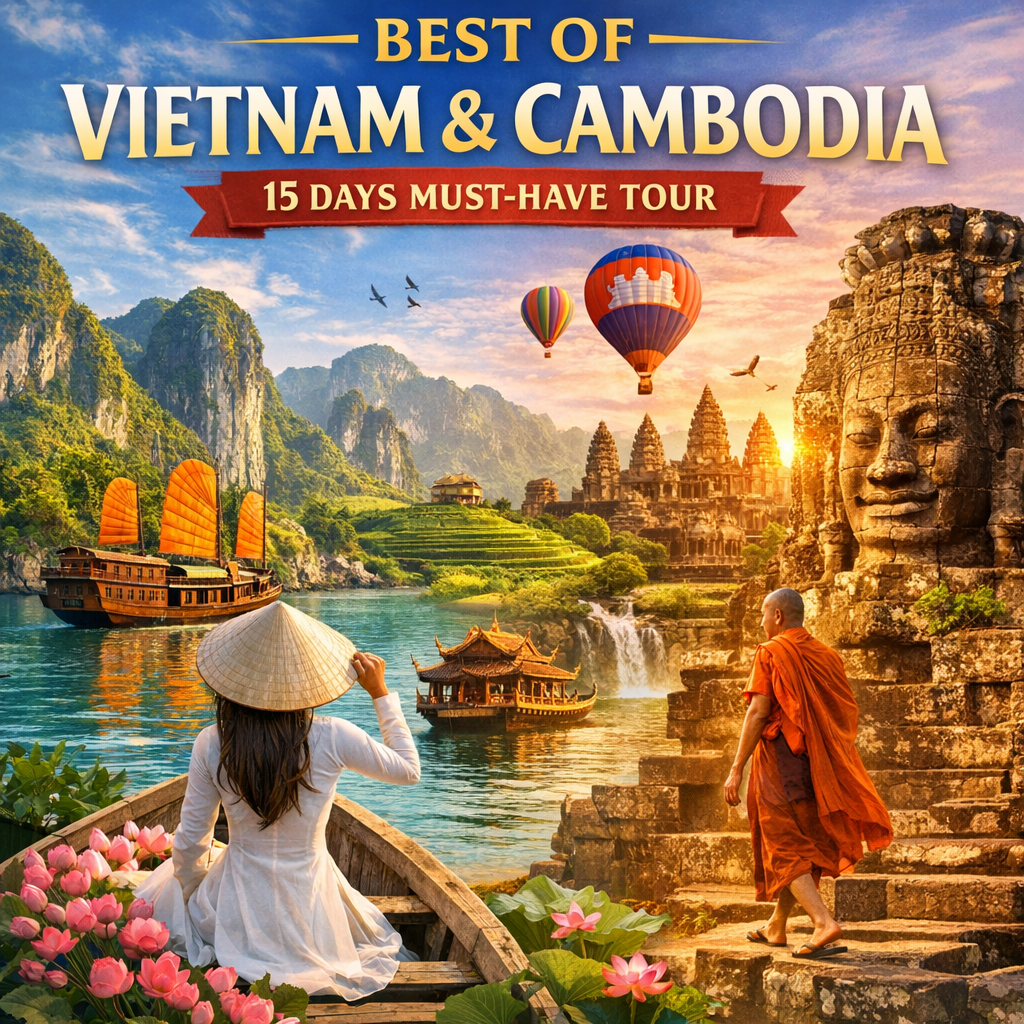
Best of Vietnam and Cambodia 15 Days Must-Have Tour
Vietnam and Cambodia 15-day tour experiences offer one of the most rewarding ways to discover Southeast Asia in a single journey. In just over two weeks, travelers can move from Vietnam’s lively cities and dramatic natural landscapes to Cambodia’s sacred temples and warm, welcoming culture. This kind of itinerary is ideal for those who want a balanced mix of history, food, nature, architecture, and local life without feeling rushed every single day.
Why a Vietnam and Cambodia 15-day tour is worth it
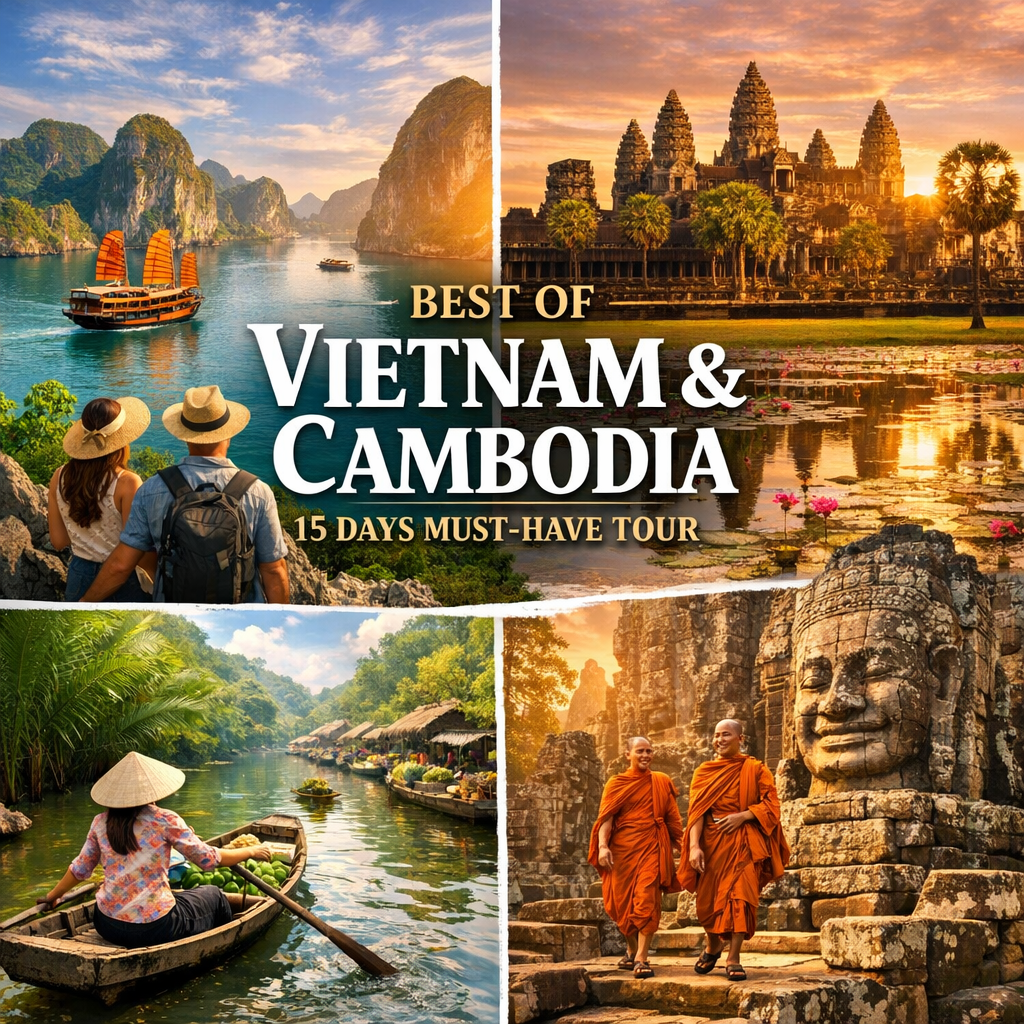
Few travel combinations work as beautifully as Vietnam and Cambodia. These neighboring countries share deep historical ties, yet each offers a very different atmosphere. Vietnam often feels energetic, diverse, and fast-moving, with buzzing streets, mountain scenery, peaceful bays, and world-famous cuisine. Cambodia, by contrast, invites a slower and more spiritual rhythm, especially when exploring temple complexes, riverside towns, and traditional villages.
A 15-day journey gives enough time to experience the highlights while still allowing moments to relax and absorb the surroundings. Instead of simply checking famous places off a list, travelers can enjoy meaningful encounters—whether that means tasting fresh pho in Hanoi, cruising through limestone karsts in Ha Long Bay, walking lantern-lit streets in Hoi An, or watching the sunrise over Angkor Wat.
A smart way to divide 15 days
A well-designed itinerary usually gives around 9 to 10 days to Vietnam and 4 to 5 days to Cambodia. This split works well because Vietnam covers a larger geographical area and has more regional contrasts. Cambodia, while smaller, still delivers unforgettable experiences through its history, heritage, and iconic landmarks.
Here is a practical flow for the trip:
Days 1–3: Hanoi and Ha Long Bay
Start in Hanoi, Vietnam’s capital, where old-world charm meets nonstop urban energy. The Old Quarter is one of the most fascinating places to begin the trip. Narrow streets, colonial buildings, lakeside walks, and countless food stalls create a memorable first impression.
After exploring the city, head to Ha Long Bay for an overnight or day cruise. The bay’s emerald waters and dramatic limestone islands make it one of the most iconic landscapes in Asia. Kayaking, cave visits, and fresh seafood meals on board add depth to the experience.
Days 4–6: Central Vietnam and cultural gems
Fly south or central to reach Da Nang and nearby Hoi An. Hoi An is often a favorite stop for travelers because of its relaxed pace, colorful lanterns, riverside cafés, and beautifully preserved historic architecture. It is also a fantastic place to enjoy local specialties, tailor-made clothing, and cycling through rice paddies.
Depending on your interests, this portion of the journey can also include Hue, the former imperial capital. Hue’s ancient citadel, royal tombs, and pagodas reveal another side of Vietnam’s history and cultural identity.
Days 7–10: Ho Chi Minh City and the Mekong Delta
Next, move to Ho Chi Minh City, a place that feels modern, ambitious, and constantly in motion. Here, travelers can explore war history museums, French colonial landmarks, rooftop cafés, and vibrant local markets.
A day trip to the Cu Chi Tunnels offers insight into the country’s wartime past, while an excursion into the Mekong Delta brings a completely different atmosphere. Floating markets, coconut groves, riverboats, and village life create a peaceful contrast to city life. This combination helps show how diverse Vietnam really is.
Days 11–15: Cambodia’s timeless treasures
From southern Vietnam, continue into Cambodia, often beginning in Phnom Penh or flying directly to Siem Reap depending on the route. Phnom Penh provides an important historical perspective through the Royal Palace, the National Museum, and deeply moving sites that help visitors understand Cambodia’s recent past.
The final days are best spent in Siem Reap, the gateway to Angkor. This is where the journey becomes truly unforgettable. Angkor Wat is the most famous temple, but the wider Angkor Archaeological Park includes many extraordinary sites such as Bayon, Ta Prohm, Banteay Srei, and Angkor Thom. Each temple has its own character, from massive stone faces to jungle-covered ruins and delicate carvings.
Watching the sunrise at Angkor Wat is often the emotional highlight of the entire trip. It is a moment that stays with travelers long after they return home.
The experiences that make the journey special
The best itineraries are not only about landmarks. What makes this route memorable is the variety of experiences along the way.
Food and local flavor
Vietnam and Cambodia are both excellent destinations for food lovers. In Vietnam, expect fresh herbs, balanced flavors, noodle soups, grilled meats, spring rolls, and rich coffee culture. Each region has its own culinary identity, which means meals never feel repetitive.
Cambodian cuisine is often less internationally known, but it is full of pleasant surprises. Fish amok, Khmer curries, grilled street snacks, and tropical fruits are all worth trying. Cooking classes and market tours can make the trip even more immersive.
History and heritage
This route is ideal for travelers who want cultural depth. Vietnam’s layered story includes dynastic heritage, colonial influence, and modern transformation. Cambodia offers one of the world’s greatest temple civilizations along with important lessons from more recent history. Together, the two countries provide a meaningful and thought-provoking travel experience.
Scenic contrast
One of the strongest reasons to choose this journey is the dramatic change in scenery. Within 15 days, travelers can experience urban neighborhoods, karst seascapes, ancient towns, rice fields, river deltas, and temple ruins. The variety keeps the trip exciting from beginning to end.
Tips for planning the trip well
To get the most from the experience, thoughtful planning matters.
– Travel light but smart: You may change cities often, so a manageable suitcase or backpack helps.
– Choose internal flights wisely: Distances in Vietnam can be long, and flights save valuable time.
– Allow some downtime: A packed schedule can become tiring. Leave room for slow mornings or free evenings.
– Check visa requirements early: Rules vary by nationality and can change.
– Respect sacred sites: In Cambodia especially, modest clothing is important when visiting temples.
– Travel in the right season: The dry season is popular, but shoulder months can offer fewer crowds and pleasant weather.
Who this itinerary suits best
This kind of journey works well for first-time visitors to Southeast Asia, couples, small groups, culture-focused travelers, and even families with older children. It is especially appealing to people who want a broad but still meaningful introduction to the region. If you enjoy discovering both famous landmarks and authentic local moments, this route is a strong choice.
Final thoughts
A carefully planned two-country adventure can deliver an incredible amount of value in just 15 days. From Vietnam’s dynamic cities and natural beauty to Cambodia’s spiritual monuments and rich history, every stage offers something distinct. The result is not just a vacation, but a layered travel experience filled with color, flavor, reflection, and unforgettable sights.
For anyone looking to combine iconic highlights with cultural depth, this itinerary stands out as one of the most rewarding ways to explore Southeast Asia.
Plan Your Vietnam Adventure
Discover our curated tours and airport services for a seamless travel experience.